

The impact of rising fuel prices on land freight in Australia and the flow-on effect to customs clearance
Introduction
Fuel price volatility in Australia continues to place sustained pressure on land freight operations.
While the immediate impact is often viewed through a cost lens, the broader implications extend far beyond transport pricing. For freight forwarders, rising fuel costs influence capacity, timing, and operational coordination, all of which have a direct impact on customs clearance outcomes.
Understanding this connection is critical. Because when land freight tightens, the pressure is rarely isolated. It flows through the supply chain and is often most visible at the point of clearance.
The role of fuel in Australia’s land freight network
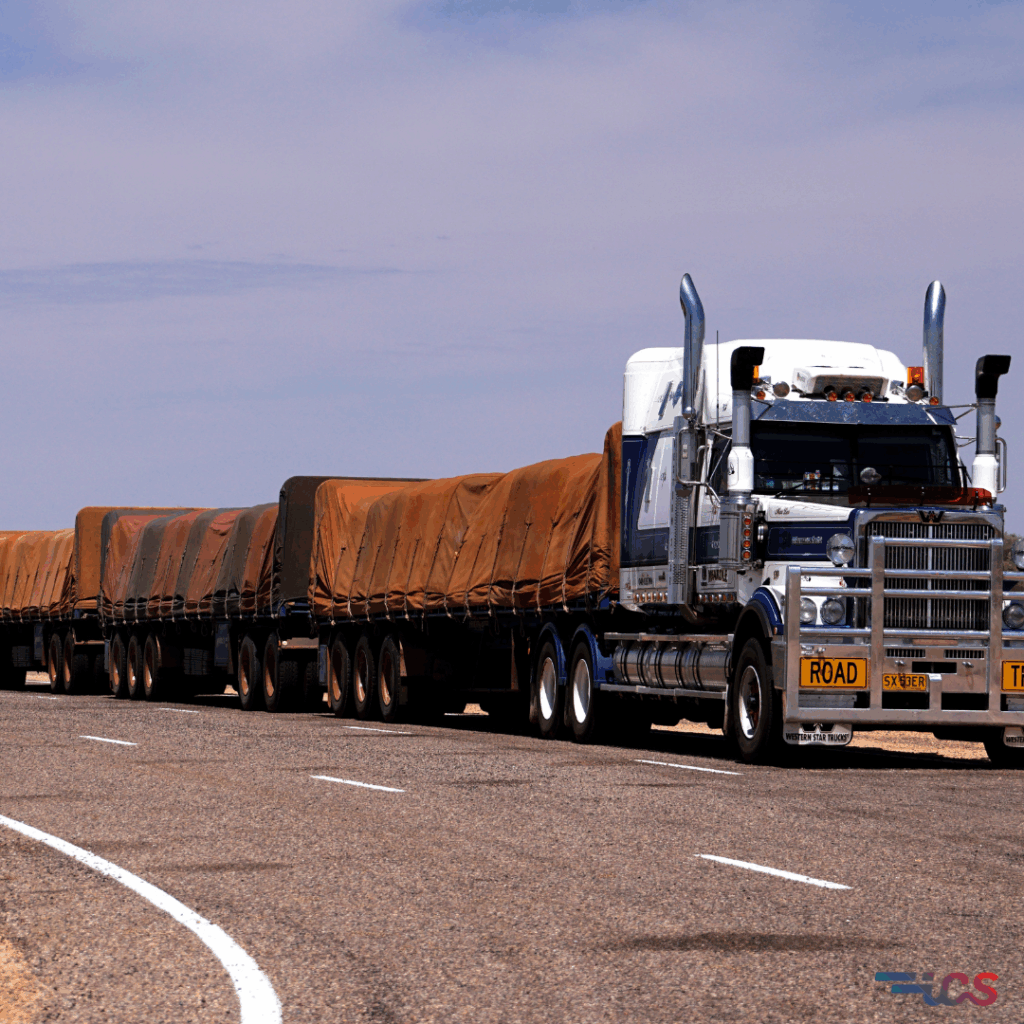
Australia’s logistics environment is uniquely reliant on road transport.
With significant distances between ports, distribution centres, and final delivery points, trucking remains the dominant mode of inland freight movement. As a result, fuel represents a major cost driver for transport operators.
When fuel prices increase, transport providers respond quickly:
- Fuel levies and surcharges are adjusted
- Route planning becomes more rigid and efficiency-driven
- Service flexibility is reduced to manage operating costs
These changes are necessary from a transport perspective but they introduce new constraints across the broader logistics chain.

Operational impacts across land freight
The current fuel environment is influencing land freight in several key ways:
Reduced flexibility in transport scheduling
Carriers are prioritising route optimisation and load efficiency. This limits the availability of ad-hoc or time-sensitive transport options.
Increased cost pressure across the supply chain
Fuel surcharges are being passed through, tightening margins for both transport providers and freight forwarders.
Slower container movement and turnaround
When transport availability is constrained, delays in container collection and delivery become more common.
Increased congestion at key nodes
Ports and depots experience higher dwell times when containers are not collected within expected windows.
Individually, these changes are manageable. Collectively, they create a more constrained and less predictable operating environment.
The flow-on effect to customs clearance
While fuel prices do not directly impact customs processes, the operational pressure they create significantly influences clearance outcomes.
Misalignment between clearance and transport
When transport availability becomes less predictable, coordinating clearance timing becomes more complex. Cargo may be cleared before transport is available, or conversely, transport may be scheduled before clearance is finalised.
Both scenarios introduce inefficiencies and additional costs.
Increased exposure to storage and demurrage
Delays in container collection due to limited transport capacity can lead to increased storage charges and demurrage risk.
This is often where cost pressures escalate quickly.
Heightened compliance risk under time pressure
As transport windows tighten, there is often increased urgency to complete clearances within narrow timeframes.
This can lead to:
- Rushed tariff classifications
- Incomplete documentation checks
- Reduced attention to audit trail requirements
These are the conditions under which compliance issues typically arise.
Extended inspection and processing timelines
Congestion at ports and depots can result in longer inspection queues and processing delays, further impacting clearance timelines.
What freight forwarders should prioritise
In a rising cost environment, control comes from planning and process discipline.
Key priorities include:
- Aligning clearance timing with confirmed transport availability
- Strengthening documentation accuracy before lodgement
- Building realistic buffer periods into delivery commitments
- Monitoring high-risk shipments more closely
- Ensuring sufficient capacity within clearance teams during peak pressure periods
These measures help reduce friction and maintain operational consistency.
How ICS supports freight forwarders
ICS works alongside freight forwarders to provide structured, reliable customs clearance support, particularly during periods of operational pressure.
Integration without disruption
We operate directly within your CargoWise environment, allowing for seamless integration into your existing workflow. Connection is typically completed within 30 minutes, with no setup cost.
Scalable clearance support
Whether managing increased volumes, tight timelines, or temporary capacity gaps, we provide additional clearance support without the need for internal restructuring.
Consistent, compliance-first execution
Our approach prioritises accuracy and auditability. Classification, documentation, and biosecurity requirements are managed with consistency, regardless of time pressure.
Reliable backup capability
We act as an extension of your team, providing coverage during peak periods, staff leave, or unexpected operational constraints.
Conclusion
Rising fuel prices are not just a transport issue, they are a supply chain coordination challenge.
As land freight becomes more constrained, the importance of alignment between transport and customs clearance increases. Without it, delays, costs, and compliance risks can escalate quickly.
Freight forwarders who maintain control during these periods are those who focus on process, timing, and having the right support structures in place.