
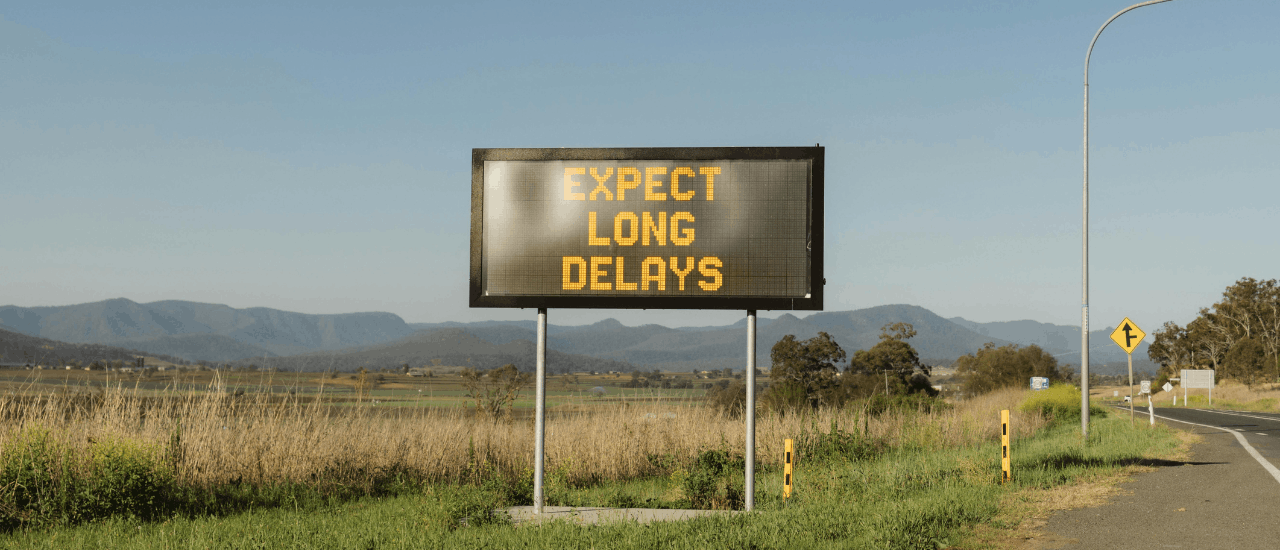
The hidden cost of customs clearance delays for freight forwarders
Customs delays cost more than time
For freight forwarders, a customs clearance delay is rarely just a delay.
It can trigger storage charges, missed delivery windows, frustrated clients, additional admin, revised transport plans and pressure on your operations team. In some cases, it can also create compliance concerns if documentation, classification or biosecurity requirements have not been managed correctly from the beginning.
The challenge is that many clients only see the delay at the final stage. They may not understand the number of moving parts involved before cargo can be released. As the freight forwarder, you are often the one expected to explain the delay, solve the problem and protect the client relationship.
That is why clearance readiness matters. The earlier a shipment is reviewed, checked and prepared, the easier it is to reduce avoidable delays.
Why customs clearance delays happen
Customs delays can happen for many reasons. Some are outside the control of the freight forwarder. Others can be reduced with better documentation, clearer communication and stronger customs brokerage support.
Common causes include:
- Incorrect or incomplete commercial invoices
- Vague cargo descriptions
- Missing packing lists
- Incorrect tariff classifications
- Unclear country of origin details
- Biosecurity holds or inspection requirements
- Permit or licence issues
- Delayed document handover from clients
- Misalignment between shipment details and declaration information
- Changes to ETA, vessel delays or rolled cargo
- High-risk commodity categories requiring closer review
For freight forwarders, the issue is not only the delay itself. It is the time spent identifying the problem, contacting the client, requesting revised documents and keeping all parties updated while the shipment remains unresolved.
The direct financial cost of delays
The most obvious cost of customs delays is financial.
When cargo is held up, clients may face additional fees such as storage, demurrage, detention, depot charges, transport rescheduling fees or redirection costs. Even when those charges are technically passed on to the importer, the freight forwarder is usually the one who has to explain them.
This can quickly place pressure on the relationship.
A client may ask:
“Why wasn’t this picked up earlier?”
“Why are we only hearing about this now?”
“Why has this cost increased?”
“Could this have been avoided?”
For freight forwarders, this is where customs delays can become commercially sensitive. Even when the delay is caused by the client’s own missing documentation, the freight forwarder can still carry the reputational burden.

The operational cost inside your team
Customs delays also create hidden labour costs.
Every delayed shipment requires time from your operations team. Staff may need to chase documents, request amendments, speak to carriers, update transport providers, respond to client emails, check tariff details, follow up with the broker and manage internal escalation.
That is time your team could have spent moving other shipments forward.
When delays increase, the impact compounds. One unresolved clearance can interrupt multiple people across the business. Several unresolved clearances can slow the entire workflow.
For freight forwarders already managing high shipment volumes, annual leave, staff shortages or peak periods, delays can quickly stretch the team.
This is where having the right customs broker support becomes important. A strong broker does not just lodge entries. They help reduce friction before it becomes a wider operational problem.
The client relationship cost
Freight forwarding is built on trust.
Clients expect clear communication, realistic timeframes and proactive updates. When cargo is delayed, they do not always see the complexity behind customs, biosecurity or documentation requirements. They simply see that their goods have not been released.
If communication is slow or unclear, the client may lose confidence.
Even if the freight forwarder has done everything possible, poor visibility can make the situation feel unmanaged. That is why freight forwarders need customs partners who can provide timely updates, clear reasoning and practical next steps.
A good clearance process should help your team answer three key client questions:
- What is causing the delay?
- What needs to happen next?
- What can be done to avoid this next time?
When those answers are clear, your team can protect the relationship, even when a delay is unavoidable.
The compliance risk of rushing clearance
When clients are under pressure, there can be a temptation to rush.
But customs clearance is not an area where speed should come at the cost of accuracy. Incorrect classification, incomplete documentation, valuation errors or unsupported origin claims can create serious issues later.
For freight forwarders, this is especially important because your business sits between the client, carrier, broker and authorities. If something is missed, your team may be pulled into the follow-up, even if the error began with the client’s paperwork.
A compliance-first clearance process helps reduce that risk.
This means checking documents carefully, identifying missing information early, asking the right questions and ensuring the entry is supported by the correct details before lodgement.
Fast clearance is valuable. Accurate clearance is essential.
How poor cargo descriptions create avoidable delays
One of the most common causes of clearance issues is poor cargo descriptions.
Descriptions such as “parts,” “samples,” “accessories,” “equipment” or “goods” are often not enough. They can create uncertainty around tariff classification, duty treatment, biosecurity risk and permit requirements.
Freight forwarders can reduce delays by encouraging clients to provide more complete descriptions upfront.
For example, instead of:
“Machine parts”
A better description would include:
“Stainless steel replacement parts for commercial food processing machinery.”
Instead of:
“Samples”
A better description would include:
“Non-hazardous textile fabric samples for product testing, not for resale.”
The more specific the description, the easier it is for the customs broker to assess the shipment accurately.
Documentation issues freight forwarders should check early
Before documents are sent for clearance, freight forwarders should review whether the basic information is complete and consistent.
Key items to check include:
- Supplier and consignee details
- Commercial invoice value and currency
- Accurate goods description
- Quantity and unit of measure
- Country of origin
- Incoterms
- Packing list details
- Bill of lading or airway bill details
- Product specifications, where required
- Treatment certificates, if applicable
- Permits, licences or approvals, if required
- Any biosecurity-related documentation
This does not mean your operations team needs to act as the customs broker. It means obvious gaps can be identified before the cargo arrives, reducing the risk of last-minute problems.
Why ETA changes can create clearance pressure
Delays are not always caused by paperwork.
Changing ETAs, rolled cargo, vessel delays, port congestion and late document handover can all place pressure on the clearance timeline.
For freight forwarders, this creates a timing issue. If cargo arrives before clearance documents are ready, the risk of storage and client frustration increases.
This is why pre-arrival clearance planning matters.
Where possible, documents should be reviewed before arrival. High-risk shipments should be flagged early. Clients should be told what is missing before the cargo is already at the port, depot or terminal.
A proactive clearance workflow gives your team more room to manage issues before costs begin to build.
How customs delays affect profitability
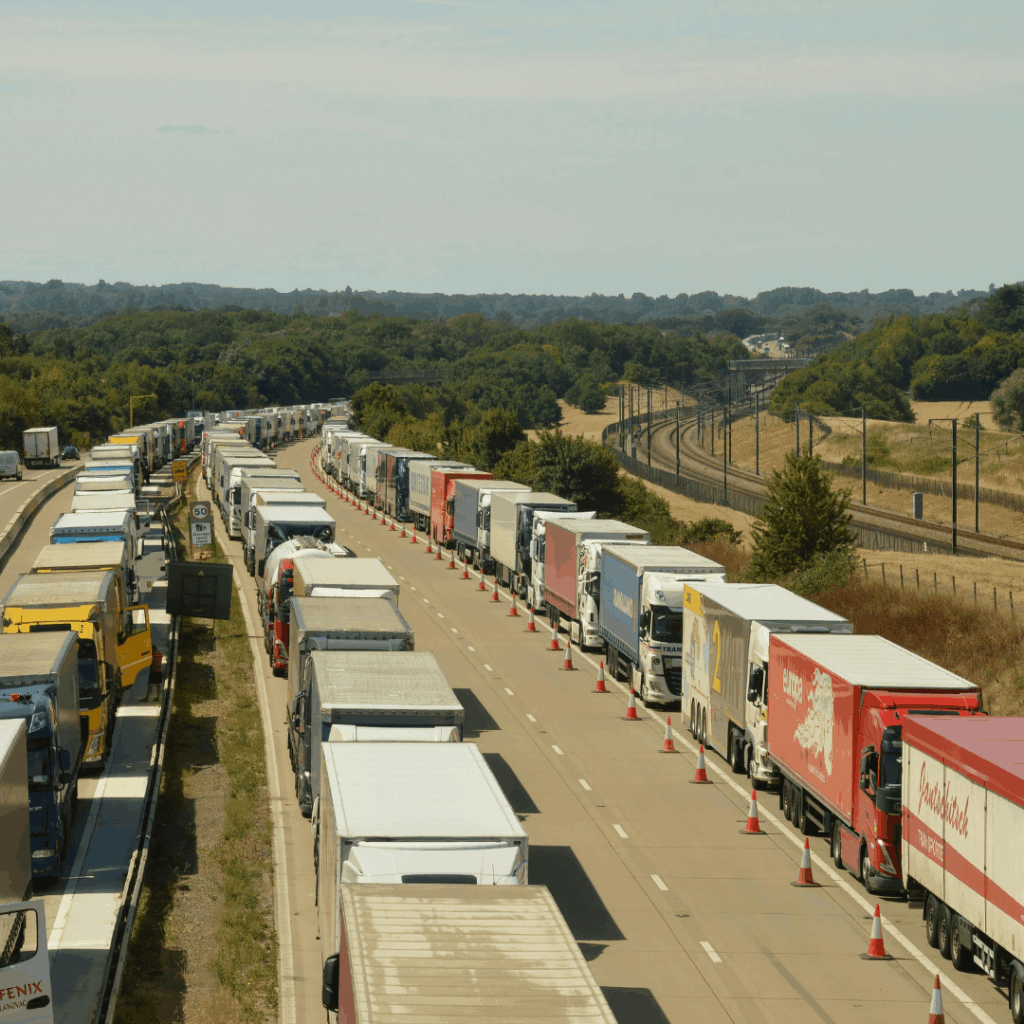
Even when additional charges are passed on to the client, delays can still affect profitability.
Your team may spend extra hours managing a delayed shipment without being able to bill for all the internal time involved. Account managers may need to smooth over client concerns. Operations staff may need to pause other work to resolve urgent issues.
Over time, this can reduce margin.
For growing freight forwarders, the cost of delays is often hidden inside staff workload. It shows up as overtime, stress, slower response times, missed opportunities and reduced capacity.
This is why customs brokerage support should be seen as an operational investment, not just a clearance cost.
How freight forwarders can reduce avoidable customs delays
Not every delay can be prevented. But many delays can be reduced with the right process.
Freight forwarders can improve clearance outcomes by:
- Requesting complete documents earlier
- Using clear cargo description guidelines for clients
- Reviewing high-risk shipments before arrival
- Identifying biosecurity requirements early
- Ensuring invoice, packing list and transport documents match
- Avoiding last-minute document handover
- Creating escalation processes for urgent clearances
- Working with a customs broker who understands freight forwarder workflows
- Using integrated systems where possible, such as CargoWise-to-CargoWise workflows
- Keeping clients informed before delays become costly
The goal is not only to clear cargo faster. The goal is to create a more predictable workflow.
Why the right customs broker matters
For freight forwarders, choosing a customs broker is not just about lodging entries.
The right broker should help your team reduce operational friction, maintain compliance and protect client relationships. They should understand that you are not looking for a competitor. You are looking for a partner who can support your workflow without stepping into your client relationships.
This is where ICS is different.
ICS works with freight forwarders, not against them. Our role is to support your customs clearance needs while helping you maintain control of the client relationship.
Whether you need outsourced customs brokerage, overflow support, backup coverage or CargoWise-compatible workflows, ICS is built to work alongside freight forwarders with a compliance-first approach.
When should freight forwarders seek backup customs support?
You may need additional customs brokerage support if:
- Your in-house broker is at capacity
- You are managing peak season volume
- Your team is dealing with annual leave or staff shortages
- You want to offer customs clearance without hiring internally
- You are experiencing repeated clearance delays
- Your clients are asking for faster updates
- Your team is spending too much time chasing customs issues
- You need a broker who can work within your existing workflow
Waiting until your team is already under pressure can make delays harder to manage.
A backup broker gives your business more flexibility before bottlenecks appear.
Final thoughts
Customs clearance delays can affect more than the arrival date of a shipment.
They can increase costs, strain client relationships, slow your operations team and expose gaps in documentation or compliance processes. For freight forwarders, the best approach is to identify risks early, improve document readiness and work with a customs broker who understands the pressure your team is under.
With the right support, freight forwarders can reduce avoidable delays, improve communication and protect the client relationships they have worked hard to build.
Need customs brokerage support for your freight forwarding team?
ICS provides customs brokerage support exclusively for freight forwarders. We help with clearance workflows, overflow support, backup broker coverage and CargoWise-compatible processes, while protecting your client relationships.
Speak to ICS about reducing customs clearance delays in your workflow.