
Global Port Congestion & Inspection Backlogs in 2026: What Freight Forwarders and Customs Brokers Need to Know
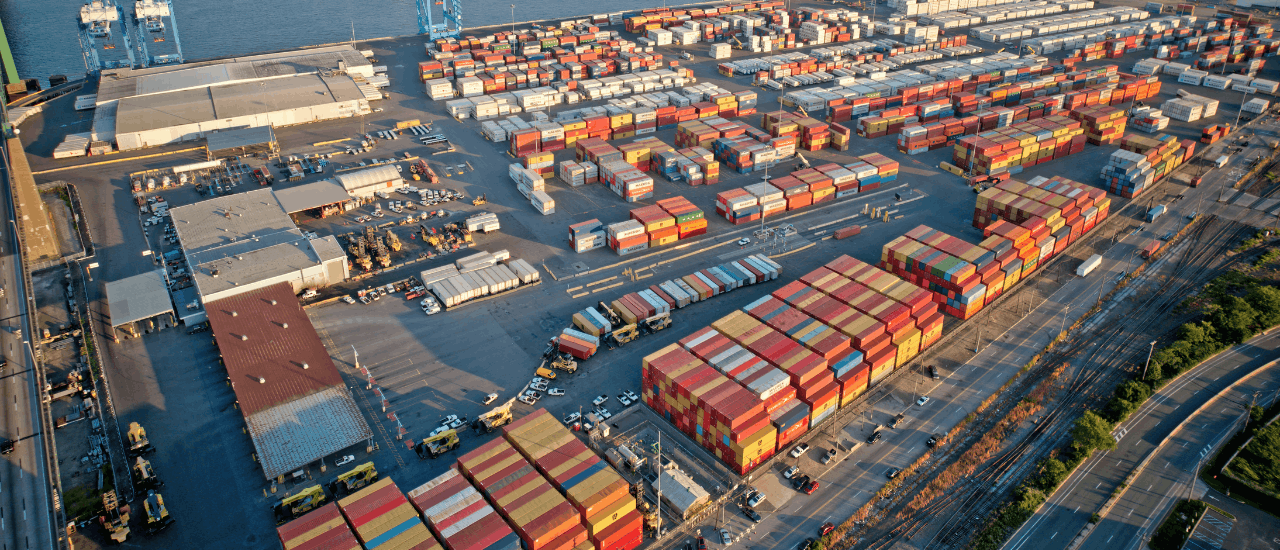
The global freight landscape in 2026 continues to be shaped by a perfect storm of pressures — from geopolitical disruptions to seasonal demand surges and chronic labor shortages. These forces are causing serious congestion at key ports around the world, vessel backlogs, and, in some instances, inspection delays that ripple through supply chains.
For freight forwarders who manage cargo movement and customs brokers who facilitate timely and compliant import clearance, understanding where congestion is occurring, why it’s happening, and how to plan around it is vital for operational resilience and client satisfaction.
Where Congestion and Backlogs Are Happening
🇸🇬 Asia: Regional Buildup at Major Transshipment Hubs
Singapore
Singapore remains one of the busiest transshipment hubs globally, and 2025 is no exception. Reports indicate significant port congestion, with vessel wait times stretching up to 3–4 days, and in late 2024, peak backups of 40+ vessels at anchorage were recorded. This was driven by:
- A 22% surge in volume, particularly from Asia–Europe and intra‑Asia trades.
- Container carriers rerouting vessels due to Red Sea disruptions.
These delays directly affect transshipment flows and exacerbate terminal bottlenecks.
Shanghai & Ningbo (China)
China’s major gateway ports continue to see high berth congestion and prolonged wait times — especially for container vessels during the lead‑up to the peak shipping season.
Mundra (India)
The Indian west‑coast port of Mundra has recently faced operational issues tied to strikes in the surrounding Kutch district. Labor actions have caused delays in container gate moves, stacking, and vessel scheduling, adding friction to export and import cargo movements.
🇦🇺 Australia: Biosecurity & Labor Pressures Trigger Backlogs
Australia’s major ports, Melbourne, Port Kembla, Brisbane, and Fremantle, are grappling with significant congestion and inspection backlogs. The challenges are twofold:
Quarantine & Biosecurity Inspections
Stricter enforcement and high failure rates — especially in high‑risk cargo like imported vehicles and perishables — have created bottlenecks. For example, Melbourne and Brisbane have reported severe delays in RORO (roll‑on/roll‑off) vessel unloading and inspection processing, resulting in carriers scaling back services.
Labor Constraints
A limited workforce to manage quarantine and container yard operations has amplified delays, with some terminals operating at capacity and vessels forced to hold or divert.

🇵🇦 Panama & Central America: Water Levels and Yard Saturation
Panama Canal
Although traffic has improved from earlier years, low water levels in Lake Gatun continue to impose draft restrictions and scheduling constraints. These conditions slow vessel transits, creating clusters of ships waiting for transit windows — especially for larger container and bulk vessels.
Balboa, Colon, Manzanillo, Rodman
Ports on both sides of the Canal are experiencing:
- 90–95% yard utilisation
- Reefer and Out‑of‑Gauge (OOG) backlogs
- Inspection and documentation delays as customs and port authorities struggle to keep pace
This congestion is particularly acute during peak season as carriers bunch bookings ahead of holiday surges.
🇬🇷 Europe & Mediterranean: Terminal Saturation and Delays
Piraeus & Thessaloniki (Greece)
Record volumes continue to strain Greek ports, with average vessel waits of about 2 days due to berth availability and crane utilisation challenges.
Rotterdam (Netherlands)
Europe’s busiest container port is also reaching near‑capacity levels:
- High yard occupancy
- Truck bottlenecks during peak hours
- Occasionally extended dwell times for import and export containers
Bari & Genoa (Italy)
Southern Italian gateways have reported periods of severe congestion, including some vessel omissions — where carriers skip scheduled port calls due to delays.
🇳🇿 New Zealand: Lingering Backlogs at Auckland
Auckland continues to face congestion issues, with vessels waiting up to 12 days for berth space at peak times, one of the most prolonged delays observed globally in 2025. These backlogs are mainly due to seasonal surges in both inbound imports and outbound exports combined with limited terminal capacity.
Key Drivers of Port Congestion & Backlogs
1. Red Sea Shipping Crisis
Ongoing geopolitical tensions in the Red Sea have forced carriers to reroute vessels around the Cape of Good Hope, adding significant sailing time and disrupting schedule reliability. This has led to bunching effects at major hubs, overwhelming terminal throughput.
2. Quarantine & Inspection Backlogs
Australia’s stringent inspection regime — particularly for vehicles and high‑risk goods — has resulted in major congestion at ports like Melbourne and Brisbane. Backlogs in inspection capacity, compounded by limited workforce availability, mean cargo often waits longer for clearance.
3. Early Peak Season & Volume Surges
Forwarders and shippers have been importing earlier to beat tariff changes or secure space before peak holidays. This anticipatory shipping has flooded terminals earlier than usual, pushing yard utilisation close to capacity.
4. Infrastructure, Labor & Equipment Shortages
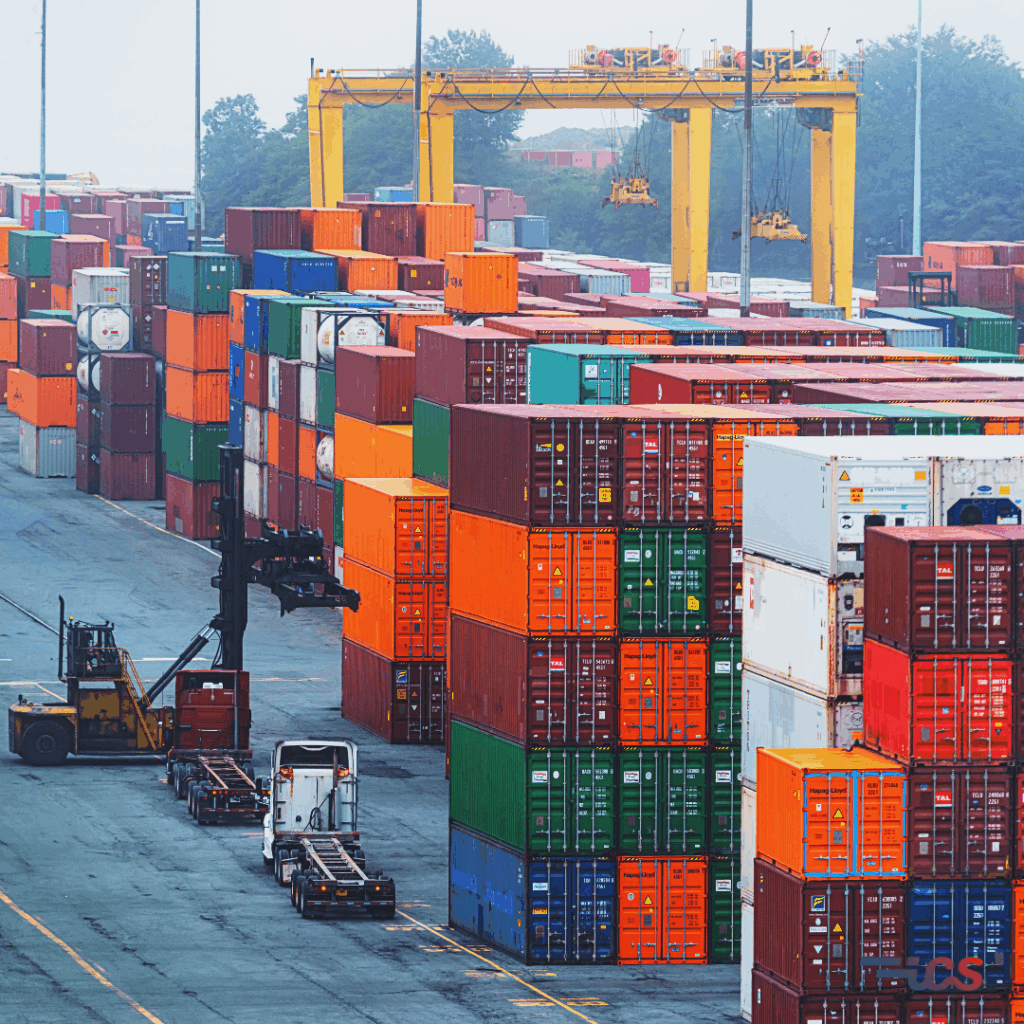
Many ports are still wrestling with labor shortages, equipment gaps (like insufficient railcars or straddle carriers), and limited yard capacity — all of which hamper the ability to turn vessels and trucks quickly.
What This Means for Freight Forwarders
Freight forwarders are feeling the effects of congestion in multiple ways:
Unpredictable Transit Times
Schedule reliability has deteriorated. Forwarders can no longer assume consistent vessel arrivals and departures. This makes ETA commitments harder to keep.
Rising Freight and Demurrage Costs
Backlogs extend dwell times at terminals, increasing container storage charges, demurrage, detention, and carrier penalties — which are often passed back to the forwarder’s customer.
Documentation & Inspection Risks
With heightened biosecurity inspections — especially in Australia — delays may occur not because of port capacity but because of inspection and compliance requirements. Forwarders must anticipate extra time for clearance, especially for high‑risk or regulated cargo.
Carrier Skips & Service Changes
Severe congestion has already led some carriers to skip injured ports or reduce port calls entirely — forcing forwarders to rebook cargo or restructure logistics plans on the fly.
How Customs Brokers Can Help
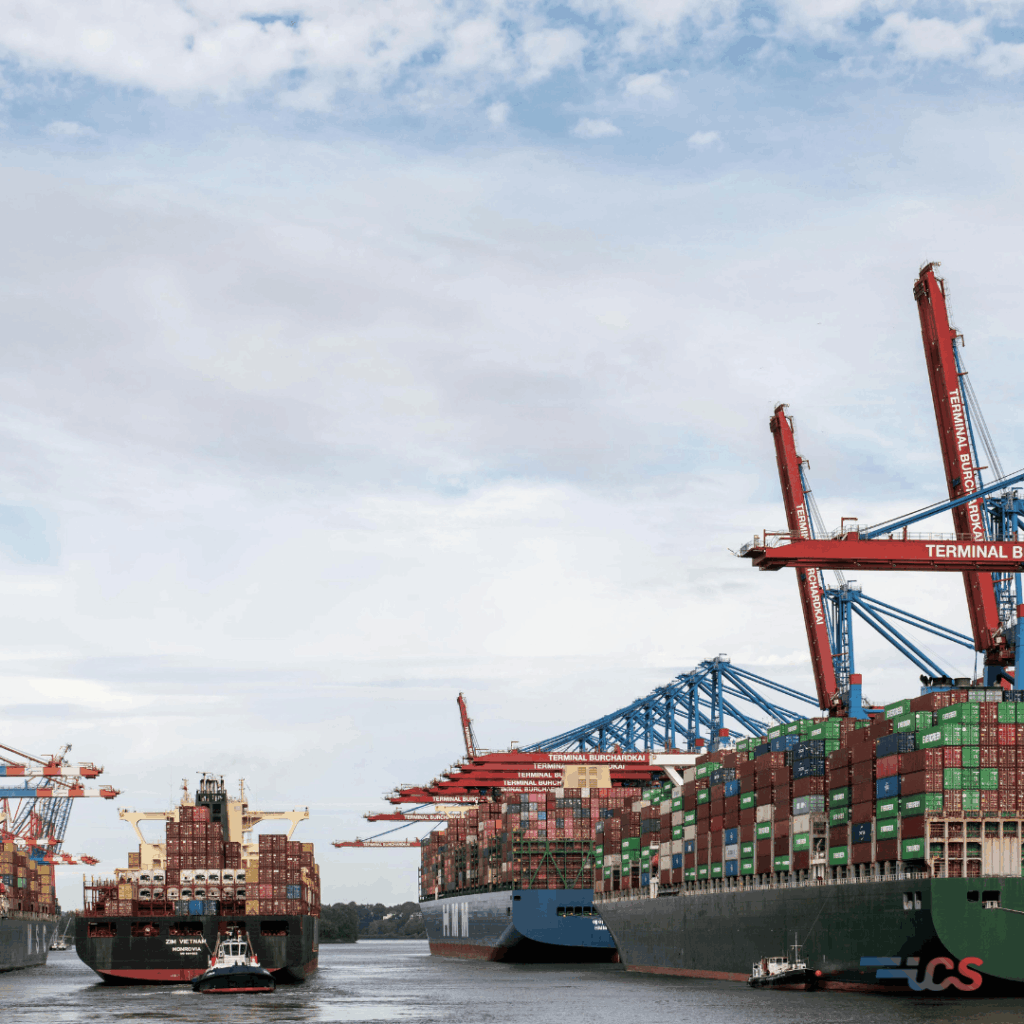
Customs brokers (like ICS) can be a strategic resource during periods of port congestion and backlog:
Pre‑Arrival Compliance Checks
Before ships even dock, brokers can prepare and validate documentation, ensuring no unnecessary inspection delays once cargo arrives.
Clearance Acceleration
Brokers understand how to prioritise high‑risk consignments and expedite inspections where possible — particularly for time‑sensitive or perishable cargo.
Real‑Time Regulatory Updates
We monitor port congestion and quarantine advisories daily so that forwarders can make informed decisions about routing and documentation.
Alternative Routing & Strategy
In some cases, it makes sense to divert cargo to less congestion‑impacted ports or re‑time arrivals outside peak windows — strategies that brokers can help plan and execute.
Cost Mitigation
By anticipating inspection holds, customs brokers can help reduce penalties, detention costs, and unexpected storage fees through better documentation and planning.
Final Takeaway
Port congestion and inspection backlogs in 2025 aren’t isolated problems — they’re interconnected symptoms of global trade stress. From rerouted vessels due to geopolitical risk, to seasonal surges, biosecurity inspections, and labour shortages, forwarders must navigate a more complex environment than ever before.
Staying informed and planning ahead — with the support of experienced customs brokers — will be key to minimising delays, mitigating risk, and preserving customer trust in an increasingly unpredictable freight landscape.