

Which Commodities Are Under Heightened Scrutiny for Imports Into Australia in 2026
Australia’s biosecurity and customs systems are designed to protect the country’s economy, environment, and public health. Over recent years, a combination of global trade changes ranging from rising pest threats to evolving international security concerns has shifted the focus of regulatory authorities, leading to heightened inspection scrutiny on specific imported commodities.
If you’re a freight forwarder, customs broker, importer, or supply chain professional, this blog explains which goods are attracting closer attention at the border, why this is happening, and what you can do to stay compliant and keep your cargo moving.
Why Some Goods Are Under Increased Scrutiny
Australian authorities, primarily the Department of Agriculture, Fisheries and Forestry (DAFF) and Australian Border Force (ABF) have intensified inspection and risk profiling based on:
- Biosecurity risk (disease, pests, invasive species)
- Global security threats (explosives, contraband, prohibited imports)
- Public health concerns (foodborne pathogens and contaminants)
- Trade compliance (tariff code accuracy, permit validity)
These risk assessments are data‑driven, based on global incident reports, trends from past seizures, and risk profiling models used by the World Customs Organization (WCO) and International Plant Protection Convention (IPPC).
Commodities Now Under Heightened Scrutiny
Below are the key categories receiving extra attention at Australian borders in 2026:
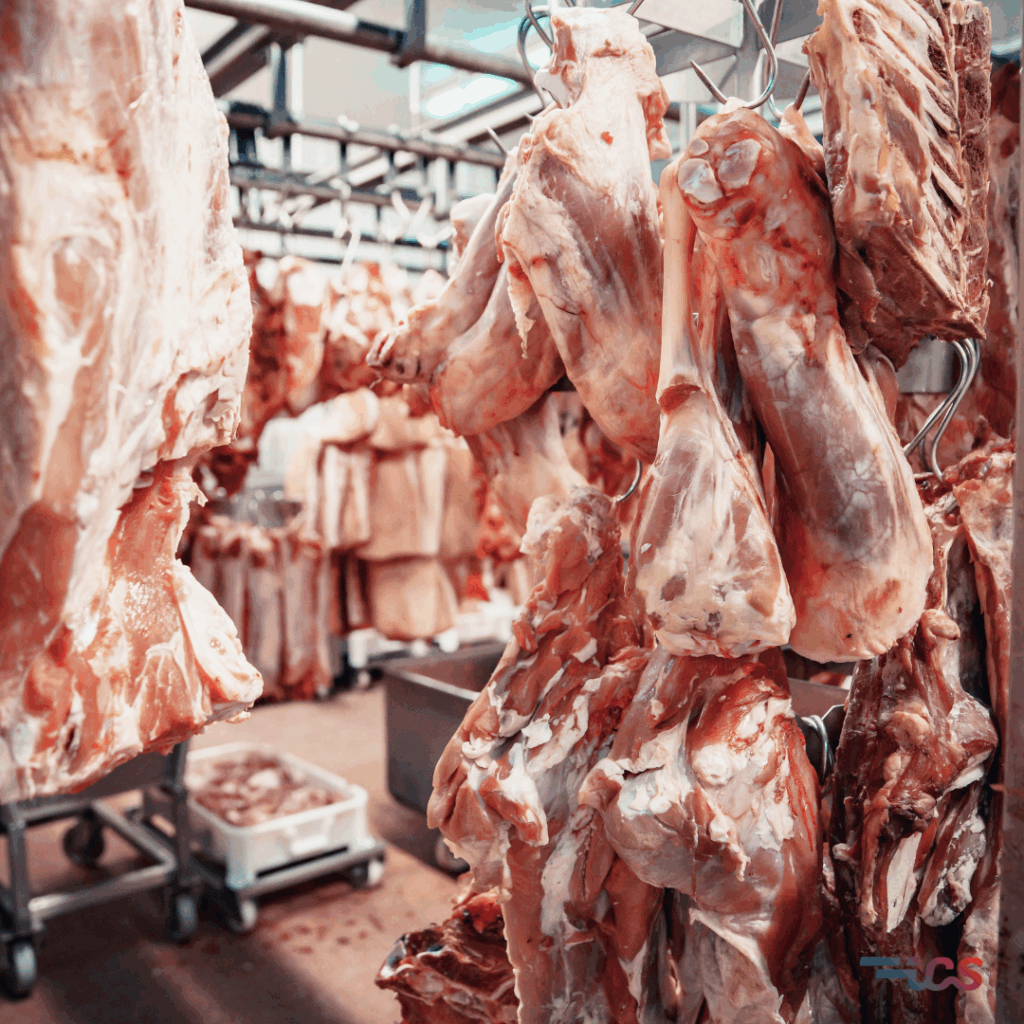
1. Meat & Meat Products
Fresh, frozen, and processed meat imports are rigorously inspected to prevent:
- Foot and Mouth Disease (FMD)
- African Swine Fever (ASF)
- Bovine Spongiform Encephalopathy (BSE)
Imports from countries recently affected by livestock diseases such as Cyprus (FMD) face additional documentary checks, sampling, and risk assessments.
Authorities frequently check: certificates of origin, export health certificates, slaughter dates, and traceability documentation.
2. Dairy & Dairy Derivatives
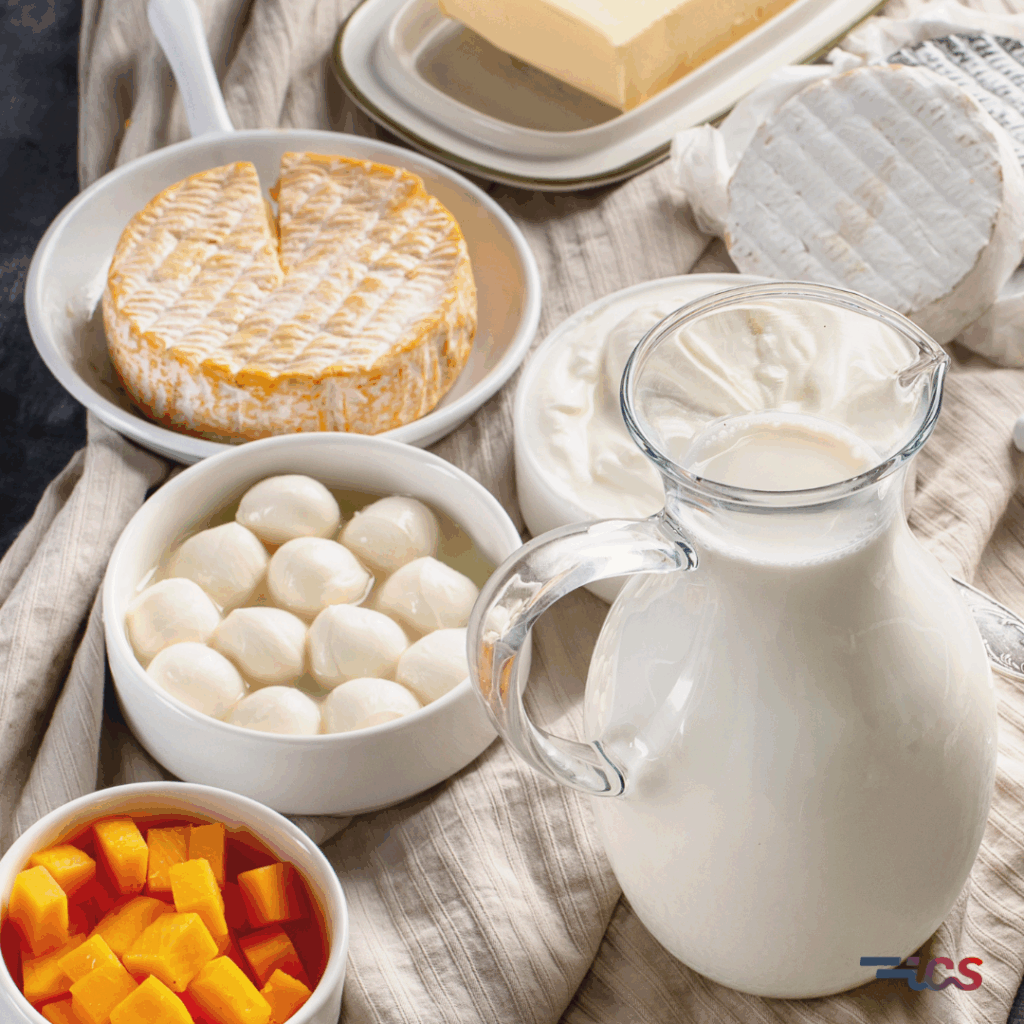
Imported dairy including milk powders, cheeses, and whey products is tightly controlled due to:
- Spore‑forming bacteria risk
- Listeria and other pathogens
- Cow and goat disease concerns
- Regulatory changes after FMD and other foreign animal disease alerts
Certain “specialty” dairy products like halloumi (with specific pH/maturation requirements) must meet strict labelling and certification standards.
For detailed official guidance:
Department of Agriculture: Dairy import requirements
https://www.agriculture.gov.au/biosecurity-trade/import/industry-advice
3. Seafood (Raw & Perishable)
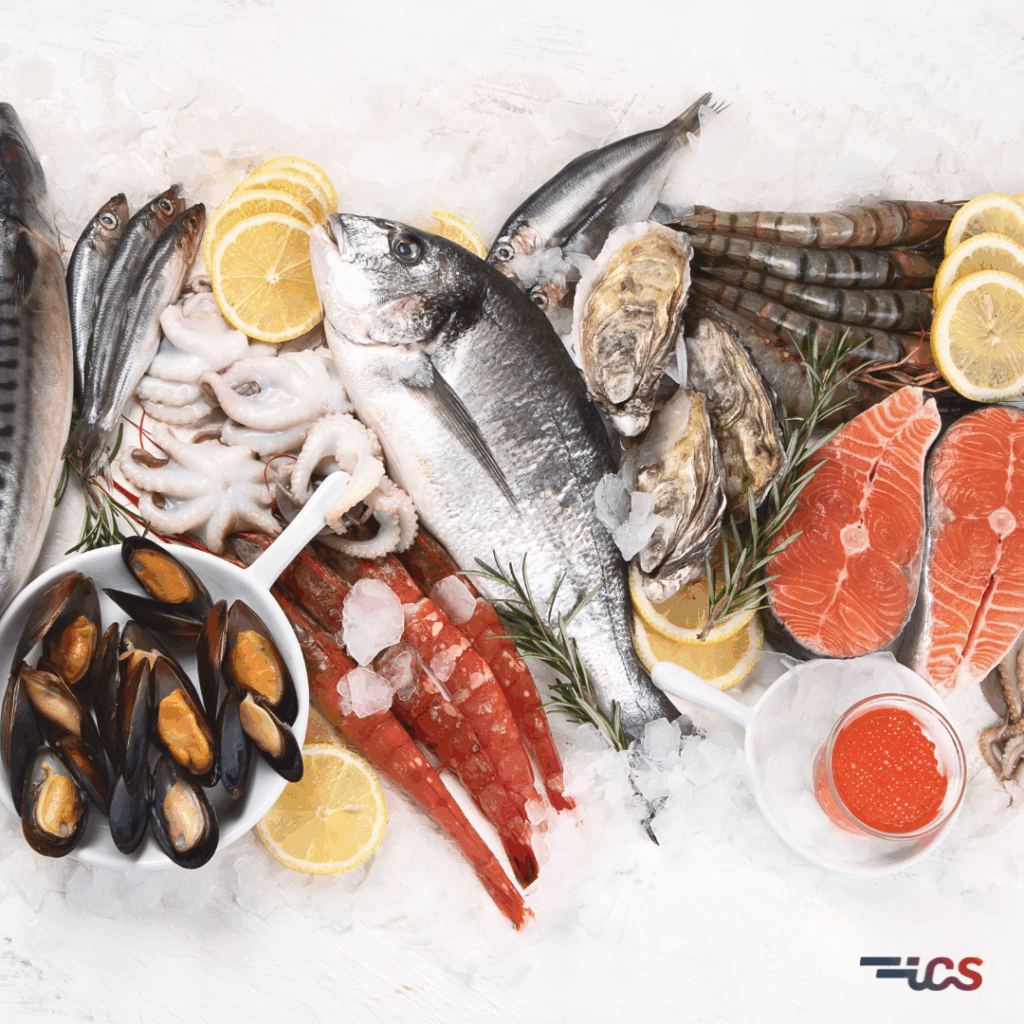
Raw seafood including prawns, crabs, and fish fillets remains a focus due to:
- Pathogens (e.g., Vibrio spp.)
- Non-compliance with sanitary certificates
- Mislabelling of chilled vs frozen products
Ports like Melbourne and Sydney are experiencing extended inspection delays due to backlogs caused by non‑compliance issues.
Read more:
Biosecurity notice — prawn inspection delays
https://www.agriculture.gov.au/biosecurity-trade/import/industry-advice/2025/07-2025
4. Animal‑Derived Food Ingredients & Pet Foods
Products containing animal fats, protein meals, bones, or hydrolysed proteins are examined closely. This includes:
- Pet foods with animal proteins
- Gelatin and collagen products
- Bone meal and fish meal used in feeds
Strict permits and declarations are required due to risk of prions, parasites, and foreign animal diseases.

5. Fresh Produce (Plants, Flowers & Foliage)
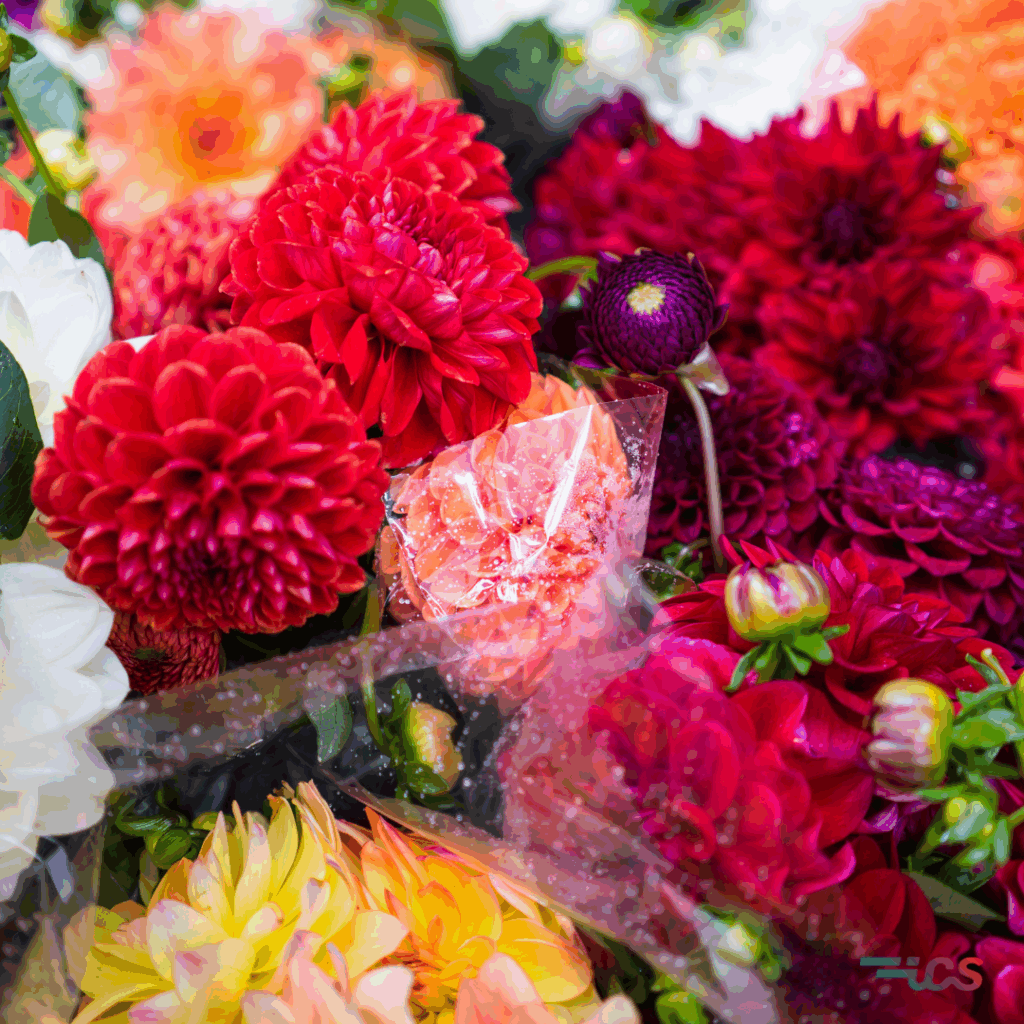
Fresh cut flowers and foliage are regularly flagged for pests like aphids, snails, or exotic chewing insects. Recent changes have introduced voluntary fumigation pathways during peak seasons (e.g., Valentine’s Day, Mother’s Day) to expedite clearance if live pests are found.
More on that here:
➡️ Voluntary fumigation arrangements — DAFF
https://www.agriculture.gov.au/biosecurity-trade/import/industry-advice/2025/04-2025
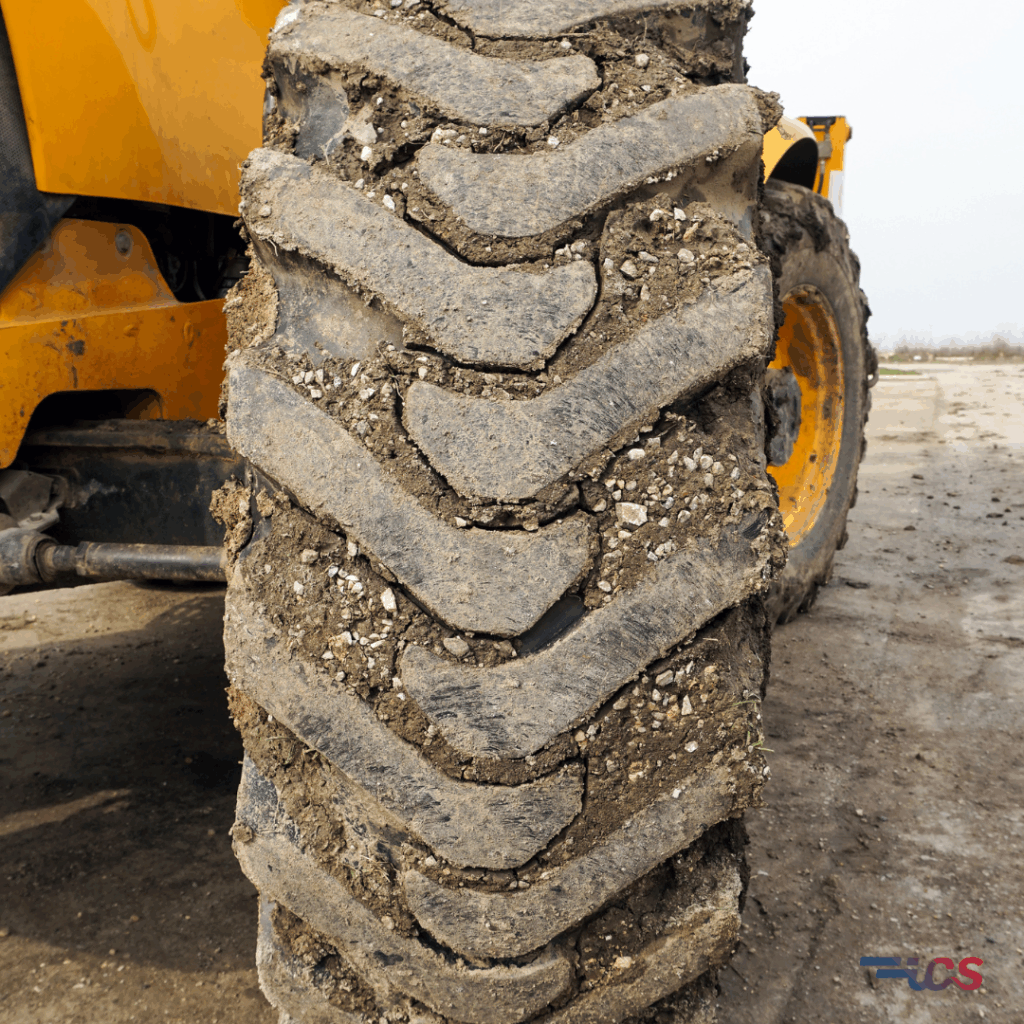
6. Vehicles & Machinery
Imported vehicles especially used cars, trucks and heavy equipment are under tight inspection due to:
- Soil, organic contamination
- Hitchhiker pests in wheel wells and chassis
- Inadequate cleaning or wash certification
This has created backlogs at Melbourne, Port Kembla, Brisbane and Fremantle as authorities continue to enforce rigorous biosecurity inspections.
7. Medicinal & Veterinary Products
Active pharmaceutical ingredients (APIs), biologics, vaccines, and veterinary drugs now attract increased verification thanks to:
- Heightened safety and efficacy checks
- Counterfeit drug concerns
- Novel or compounded therapeutics
- Risks of contamination
Proper permit documentation and regulatory clearance (TGA, APVMA) is critical to avoid border delays or refusals.

8. Cargo from High‑Risk Regions
Import risk isn’t just about the product origin matters too. Global events like FMD in Cyprus or increased air cargo security directives have led to stricter scrutiny of goods from certain territories due to:
- Disease outbreaks
- Biosecurity threats
- Security lists (e.g., Special Security Direction for air cargo)
Importers must always check country‑of‑origin lists maintained by DAFF and Home Affairs.

Why This Matters for Freight Forwarders & Customs Brokers
Freight forwarders and customs brokers are on the frontline of managing these risk priorities. These commodities aren’t being targeted arbitrarily they are high‑risk based on:
- Quantifiable biosecurity threats
- Public health vulnerability
- Economic impact of pest/disease incursions
- Global security and compliance requirements
Failing to anticipate heightened scrutiny can lead to:
- Port holds and inspection delays
- Demurrage & detention costs
- Re‑inspection and sampling charges
- Cargo refusals or destruction
- Refunds or compensation disputes
How Customs Brokers Can Help
Customs brokers (like ICS) add value in several key ways:
Pre‑Arrival Documentation Review
Brokers ensure permits and certificates are correct before the shipment leaves origin.
Risk Profiling & Commodity Classification
Correct tariff codes and risk codes reduce the chance of nontariff holds.
Inspection Planning & Scheduling
We anticipate peak periods and pre‑book biosecurity inspections where possible.
Communication with DAFF & ABF
Our daily contact with regulatory bodies helps resolve issues faster.
Client Advisory & Alerts
Forwarders and importers are informed early about changes in risk priorities and commodity watchlists.
Final Takeaway
If you’re importing into Australia in 2026, it’s critical to know which commodities are under heightened scrutiny and why. Whether it’s perishable seafood, animal‑derived products, live plants, vehicles, or high‑risk foodstuffs, understanding these priorities helps you avoid costly delays and keeps your supply chain moving smoothly.
For freight forwarders and brokers, the rule is simple:
Know the risks before the cargo arrives and prepare accordingly.